I started this website because my pressure washer wouldn't start and I had to replace the carburetor. I wanted to only use ethanol-free gasoline, but I didn't know where I could find any.
The biggest reason ethanol is a problem is that it is being forced into the fuel mix. And amazingly, the Trump administration is forcing even more ethanol into the fuel mix, which is driving up the cost of fuel because ethanol production is not keeping up with the federal ethanol mandate.
On top of that, President Trump has been on social media lately calling for gasoline prices to fall faster. He has the ability to lower gasoline prices. He just needs to tell the Environmental Protection Agency to reduce EPA's record-high biofuel mandate under the Renewable Fuel Standard (RFS).
Earlier this year, EPA finalized a record-high biofuel mandate. That mandate now creates a hidden "tax" of about 37 cents on every gallon of gasoline and diesel. That is more than double the 18.4-cent federal gas tax.
A Mandate EPA Chose to Maximize
President George W. Bush and Congress created the RFS in 2005 and expanded it in 2007, with mandated volumes climbing to 36 billion gallons in 2022. But after 2022, Congress only mandated a floor of 1 billion gallons of biomass-based diesel and nothing else. Legally, earlier this year, EPA could have set the mandate near zero.
Instead, it did the opposite. The "Set 2" rule, finalized March 27, 2026, is the most aggressive mandate in the program's history: 26.81 billion RINs' worth of biofuel in 2026, including a 61% one-year jump in biomass-based diesel.
What is very strange about EPA increasing the RFS mandate during the Trump administration is that the RFS is, at its core, a greenhouse-gas program. Its credit categories are defined entirely by lifecycle carbon dioxide reductions: 20% for corn ethanol, 50% for biodiesel and advanced biofuel, 60% for cellulosic. This is the same climate agenda the White House calls the "Green New Scam" — and yet his EPA just expanded it to record levels.
RIN Prices Have Doubled in Five Months
Complying with the RFS is not free. Refiners comply by retiring credits called RINs. When EPA raises the quota, RINs get scarce, and prices climb: per the Energy Information Administration, RIN prices have doubled since the start of 2026, trading near all-time highs around $2.40.
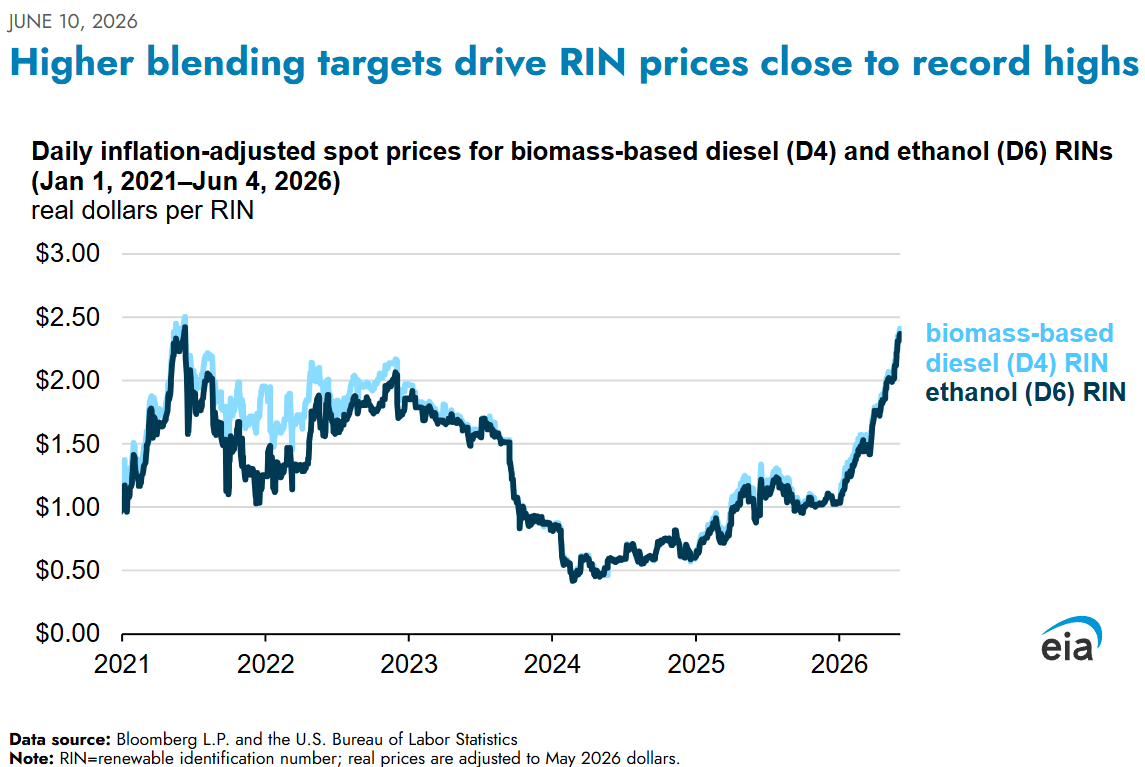
EPA's analysis and academic researchers agree that the cost of RINs gets passed on to fuel purchasers. This hidden 37-cent-per-gallon tax is paid by families at the pump.
Protect your equipment
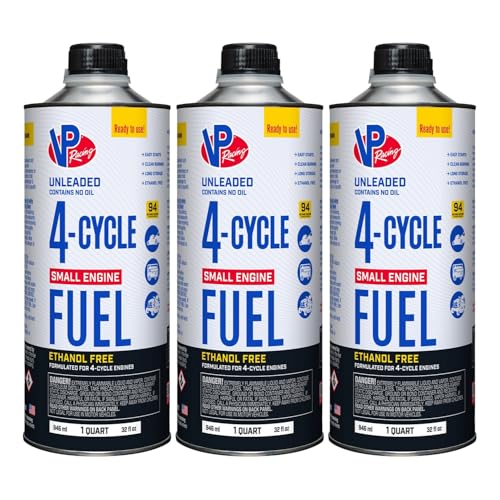
VP Racing SEF 94 Octane Ethanol-Free Fuel, Quart (3-Pack)
- 100% ethanol-free, 94 octane
- Stays stable in storage for years
- Protects 4-cycle small engines
$26.61
Price as of Sep 18, 2026
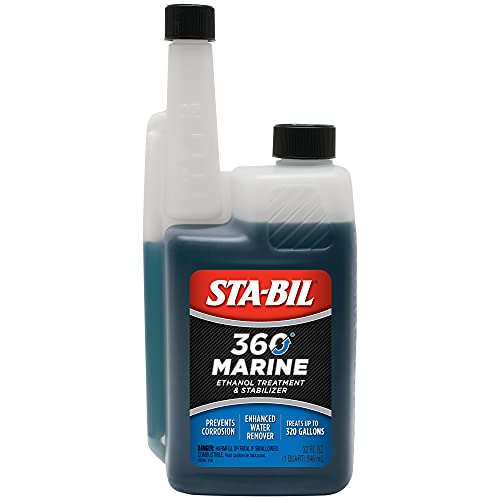
STA-BIL 360 Marine Ethanol Treatment
- Fights phase separation and corrosion
- Use every fill-up with E10 fuel
- Protects boats, small engines, classics
$22.71
Price as of Sep 18, 2026
How the Hidden Tax Math Works
EPA's 2026 mandate requires refiners to retire RINs equal to 15.5% of every gallon sold. At roughly $2.40 per credit, that's about 37 cents per gallon. In January, when RINs traded near $1.20, the cost was about 18 cents. EPA's larger mandate has caused RIN prices to double in five months.
The President Can Fix This
The good news is that President Trump can deliver lower pump prices. He just needs to instruct EPA to roll back its biofuel mandate, because right now, his own administration's policy acts as a 37-cent-a-gallon hidden tax on American drivers.
Frequently Asked Questions
What is the hidden 37-cent gas tax?
EPA's 2026 Renewable Fuel Standard mandate requires refiners to retire compliance credits called RINs equal to 15.5% of every gallon of fuel sold. At roughly $2.40 per credit, that works out to about 37 cents per gallon. EPA's own analysis and academic research agree that this cost is passed on to fuel purchasers, so families pay it at the pump even though it never appears on a receipt.
What are RINs?
Renewable Identification Numbers (RINs) are the credits refiners must retire to prove compliance with the Renewable Fuel Standard. When EPA raises the biofuel quota, RINs get scarce and prices climb. According to the Energy Information Administration, RIN prices have doubled since the start of 2026 and are trading near all-time highs around $2.40.
Can the president actually lower gasoline prices?
Yes. After 2022, Congress only mandated a floor of 1 billion gallons of biomass-based diesel and left the rest of the Renewable Fuel Standard volumes to EPA's discretion. Legally, EPA could set the mandate near zero. Rolling back the record 2026 mandate would bring RIN prices down and remove most of the hidden per-gallon cost.